
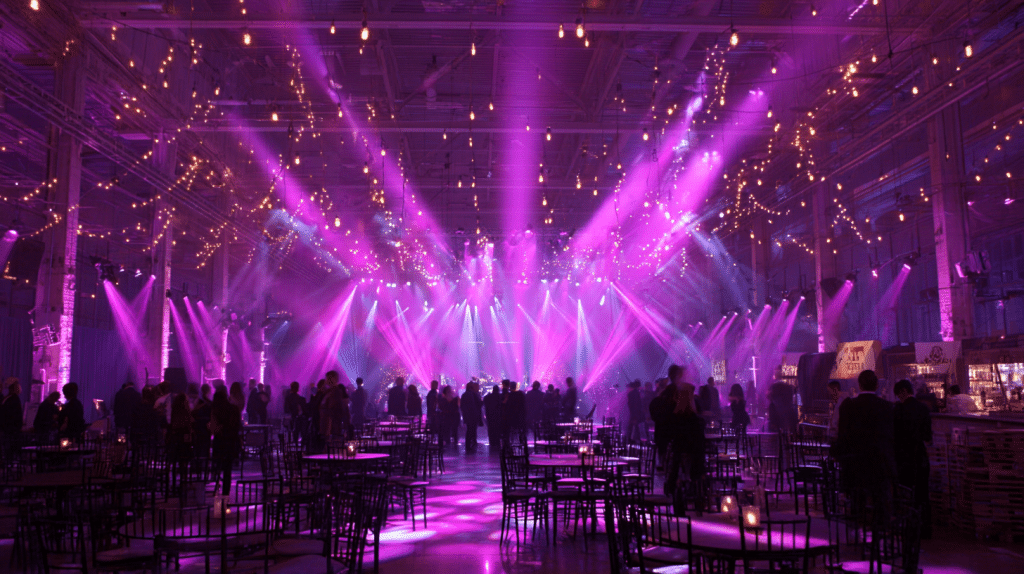
In today’s event landscape, simply hosting a meeting or conference is no longer enough. Organizations are increasingly focusing on event experience design—the strategic use of storytelling, environment, and audience engagement to create events that people truly remember.
Anyone can book a venue. Anyone can build an agenda. But the events that leave a lasting impression go beyond logistics. They are intentionally designed experiences that connect with audiences emotionally and strategically.
At Evntiv, we believe great events don’t just run smoothly—they tell a story that audiences can feel the moment they walk into the room.
We call these Moments of Impact, and they don’t happen by accident.
What Is Event Experience Design?
Event experience design is the intentional planning of how an audience will feel, interact, and engage throughout an event. It blends strategy, storytelling, creative design, and technical production to create an immersive and memorable experience.
Rather than focusing solely on logistics or décor, event experience design focuses on the entire guest journey made physical.
True experience design is the intentional orchestration of:
- The arrival experience and guest journey
- Environment and stage design
- Visual storytelling and lighting
- Content flow and emotional moments
- Interactive elements
Most traditional event planners ask: “What will the room look like?”
Experience designers ask a much more important question: “What should people feel, understand, and remember when they leave?”
When that question guides every decision—from lighting cues to speaker transitions—events become far more engaging and impactful.
Why Storytelling Is the Most Powerful Tool in Live Events
Humans are wired for stories. It’s how we process information, remember moments, and connect with ideas.
That’s why event storytelling plays such a critical role in designing engaging live experiences.
When storytelling is integrated into an event’s design, organizations benefit from:
- Higher audience engagement
- Improved message and memory retention
- Stronger emotional connections
- Increased trust in the brand or mission
Instead of overwhelming attendees with information, storytelling creates a narrative journey that audiences can follow and remember long after the event ends.
Whether it’s a corporate conference, nonprofit gala, or brand launch, storytelling transforms events from informational gatherings into experiences that inspire action and connection.
That’s the difference between events that disappear by Monday—and events that become defining moments for brands and organizations.
How Storytelling Transforms Different Types of Events
Corporate Meetings & Conferences
Large corporate meetings often struggle with information overload. Storytelling turns long agendas into narrative journeys by structuring content to reinforce alignment, clarity, and momentum around vision and strategy.
Galas & Fundraising Events
Galas rely heavily on emotional connection by nature. Story-driven event design brings a mission to life so guests don’t just hear about impact—they feel it, and generosity follows.
Corporate Celebrations & Brand Launches
From anniversaries to product launches, storytelling ensures the environment becomes a physical expression of the brand—not just a dressed-up ballroom.
Key Elements of Story-Driven Event Experience Design
Arrival Sets the Tone
The moment guests arrive, the experience begins. Registration, signage, lighting, and first impressions frame how attendees perceive the entire event.
The Environment Tells the Story
Great event environments communicate meaning before a single word is spoken.
Content Flows Like a Narrative
Instead of disconnected presentations, the most engaging events follow a clear narrative arc. Each segment should build on the previous one, creating a story that progresses naturally toward a meaningful conclusion.
Interaction Creates Connection
Participation help deepen engagement and make attendees feel like stakeholders in the experience.
The Ending Must Land
The final moments of an event matter more than many planners realize. If the audience remembers the final moment, they remember the entire event.
The ROI of Event Experience Design
Organizations that invest in experiential event design consistently see stronger results across key metrics.
Benefits often include:
- Higher audience engagement
- Improved brand recall
- Increased fundraising outcomes
- Stronger audience loyalty
- Greater overall event ROI
When events are designed intentionally, they cut through the noise and create lasting impact.
Final Thoughts: Why Storytelling Is the Future of Events
Event Experience Design isn’t about spending more money. It’s about designing with intention. When storytelling becomes the foundation of event strategy, organizations stop simply producing events and start creating meaningful experiences.
They don’t just host conferences, galas, or corporate meetings.
They create moments that people remember — and talk about long after the lights go down.
And that’s where real impact lives.